


The shield has the effect of reducing interference
2022-02-10
Shielding Cover It has the function of reducing interference
A shielding cover refers to a metal isolation between two spatial areas to control the induction and radiation of electric fields, magnetic fields, and electromagnetic waves from one area to another. Simply put, it involves enclosing the interference source of components, circuits, assemblies, cables, or the entire system with a shielding cover to prevent the interference electromagnetic field from spreading outwards. A shielding cover encloses receiving circuits, equipment, or systems to prevent them from being affected by external electromagnetic fields. Because shielding can absorb energy (eddy current loss), reflect energy (electromagnetic waves reflect at the interface of the shielding body), and cancel energy (electromagnetic induction generates a reverse electromagnetic field on the shielding layer, which can cancel out some of the interfering electromagnetic waves) used for external and internal electromagnetic waves from wires, cables, components, circuits, or systems, etc.
Shielding cover materials can be selected from alloys, copper-nickel-zinc alloys (good performance, easy to process), or stainless steel (can only be used as a shielding cover). The shielding material is zinc-tin-nickel alloy or copper-nickel-zinc alloy to ensure good weldability.
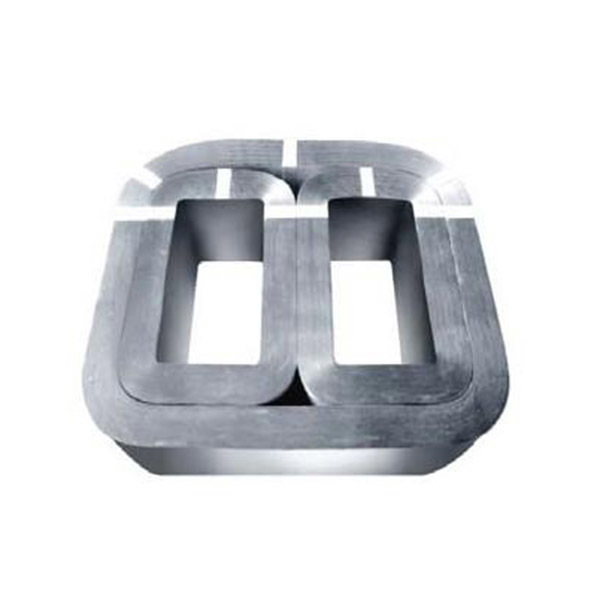
The gap between the shielding cover and the shielding frame is 0.05 mm, the gap in the Z direction is 0 mm, and the distance from the components is greater than 0.4 mm.
Shielding cover packaging: blister packaging, tape packaging, and packaging bags are available for different products. Blister packaging is suitable for larger products, and tape packaging is suitable for smaller products.
How to choose the strength of the shielding cover fixing clip antenna leaf
Antenna leaves can be divided into circular, triangular, and cross shapes. In order to ensure smooth contact of the bottom edge of the leaf, increase the stroke, overcome the frictional resistance of the bottom edge against the substrate when the leaf moves, and facilitate exhaust, three equally divided support points are often punched on the edge of the circular and triangular leaves, and upwardly flipped arc edges or arc strips are punched at the four claw ends of the cross leaves. In addition to shape classification, leaves can also be classified according to their size, operating strength, stroke height, material thickness, etc. Due to the large number of types, they are not listed here.
The above is a description of Shielding Cover I hope this helps!
Previous:
Recommended News
Contact Us
Online Message
* Note: Please fill in the information accurately and keep the communication open. We will contact you as soon as possible.