


How are miniature current transformers wired?
2022-07-07
Miniature Current Transformer How is it wired?
In power generation, substations, transmission, distribution, and power consumption lines, the current varies greatly, ranging from a few amperes to tens of thousands of amperes. For easy measurement, protection, and control, it needs to be converted into a relatively uniform current. In addition, the voltage on the line is generally high, and direct measurement is very dangerous. Miniature current transformers play the role of current transformation and electrical isolation. For pointer-type ammeters, the secondary current of the miniature current transformer is mostly amperes. For digital instruments, the sampling signal is generally in the milliampere level (0-5V, 4-20mA, etc.). The secondary current of the miniature current transformer is in the milliampere level, mainly acting as a bridge between the large current transformer and the sampling.
1. Wiring method of a single miniature current transformer
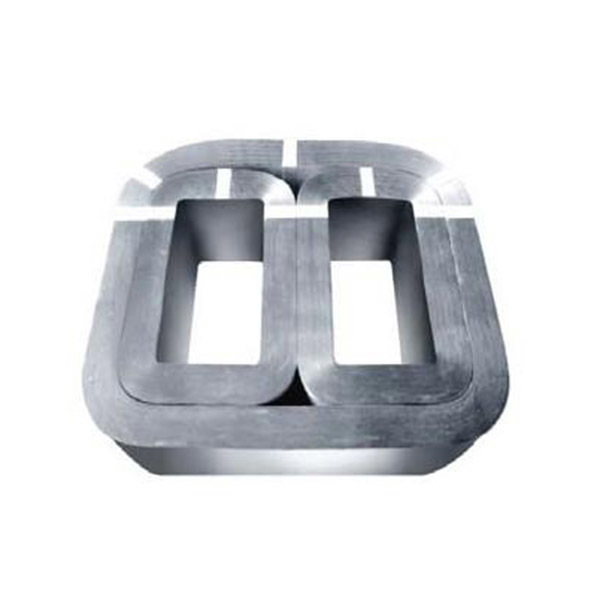
2. Three-phase full star connection and delta connection.
Three-phase miniature current transformers can understand the changes in three-phase loads accurately and timely, and are often used in transformer differential protection wiring. In a neutral point directly grounded system, the current collection of the energy meter can only use a three-phase full star connection. The wiring method of the three-phase relay can reflect various types of interphase short circuits and single-phase ground faults, so this wiring method is used in the neutral point directly grounded system for interphase short-circuit protection and single-phase ground fault protection.
3. Two-phase incomplete star connection
It is widely used in actual work. It saves a miniature current transformer, and uses the combined current of phases A and C to form the reverse phase B current. The two-phase relay wiring method can cope with interphase short circuits, but cannot completely cope with single-phase ground faults, so it cannot be used for single-phase ground protection. This wiring method is used for interphase short-circuit protection in ungrounded systems or systems grounded through arc suppression coils.
4. Two-phase differential current connection
It is also only used for three-phase three-wire circuits, ungrounded neutral points or neutral lines. The advantage of this wiring is that it not only saves a miniature current transformer, but also uses one relay to reflect various interphase short-circuit faults in the three-phase circuit, that is, it can use very few relays to complete three-phase overcurrent protection, saving investment. However, their sensitivity is different when the fault types are different. This connection method is often used for interphase short-circuit protection in 10kV and below distribution networks. Due to its low sensitivity, this protection is rarely used in modern times.
Miniature Current Transformer There are many wiring methods, and the commonly used ones are two-phase differential current wiring and two-phase incomplete wiring. The connection method can be selected according to the actual situation. If you want to learn more about miniature current transformers, please contact us.
Recommended News
Contact Us
Online Message
* Note: Please fill in the information accurately and keep the communication open. We will contact you as soon as possible.